3 Immediate Ways to Save Money on Your Auto Insurance Today
Reducing your auto insurance costs can be as straightforward as understanding the mechanics of your vehicle and the intricacies of your policy. By focusing on three actionable strategies—optimizing your vehicle’s performance, understanding service cost drivers, and comparing insurance policy coverage—you can achieve significant savings immediately.
Understanding Mechanical Wear Physics for Cost Savings
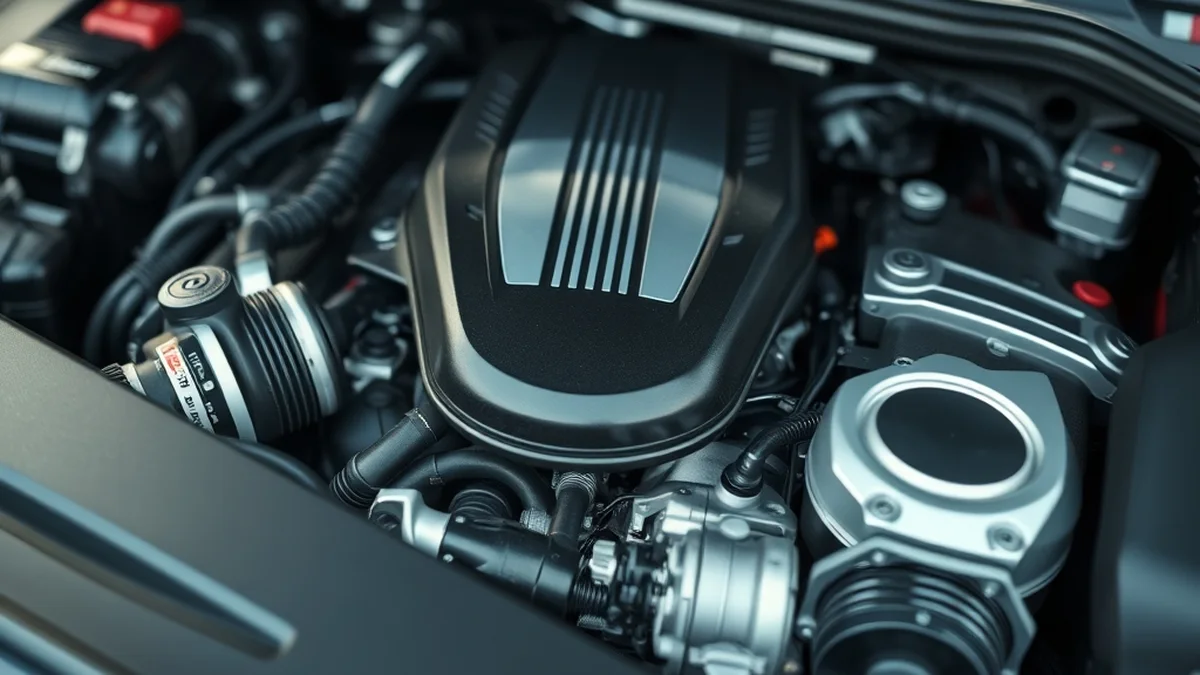
Mechanical wear physics plays a crucial role in determining the reliability and longevity of your vehicle, which in turn affects your insurance premiums. Key factors include friction, thermal stress, and material fatigue, all of which contribute to the failure modes of various components. For instance, engine components such as pistons and valves can experience wear rates that escalate with mileage. According to the Society of Automotive Engineers, a vehicle can lose approximately 10% of its efficiency after 100,000 miles due to these wear factors, which can lead to higher repair costs and, subsequently, increased insurance rates.
Moreover, understanding the failure rates of specific vehicle models can help you select a car that is less likely to incur costly repairs. For example, vehicles with a history of transmission issues may incur higher premiums due to the associated risk of claims. An analysis of data from the National Highway Traffic Safety Administration shows that certain brands have failure rates as low as 1.5% for major components, while others can exceed 5%. By choosing a vehicle with a proven track record of reliability, you can not only reduce repair costs but also positively influence your actuarial rating.
Incorporating regular maintenance can also mitigate wear-related expenses. A study by AAA indicates that routine maintenance can save drivers between $500 to $1,200 annually by preventing major repairs. By maintaining records of your vehicle’s service history, you can demonstrate responsible ownership to insurers, potentially qualifying for discounts. This proactive approach not only enhances your vehicle’s longevity but also serves as a compelling argument for lower premiums.
Evaluating 100K-200K Mile Service Cost Drivers
As vehicles age, particularly between 100,000 and 200,000 miles, certain service cost drivers become prominent. Key components such as the timing belt, water pump, and suspension systems often require replacement or significant repairs, which can escalate costs. For example, replacing a timing belt can range from $500 to $1,000 depending on the vehicle make and model. Additionally, suspension repairs can cost anywhere from $300 to over $1,500, depending on whether you need to replace shocks, struts, or other components.
It’s essential to be aware of these cost drivers when selecting a vehicle or assessing your current insurance policy. A breakdown of typical costs associated with high-mileage vehicle maintenance is as follows:
- Timing Belt Replacement: $500 – $1,000
- Water Pump Replacement: $300 – $800
- Suspension Repairs: $300 – $1,500
- Transmission Service: $150 – $400
By understanding these potential costs, you can make informed decisions about your vehicle’s maintenance schedule and insurance coverage. For instance, opting for a vehicle with a robust warranty or service plan can offset these expenses, allowing you to negotiate better insurance rates. Additionally, insurers often provide discounts for vehicles that are well-maintained, so keeping meticulous records can be advantageous.
Comparing Trim/Drivetrain or Policy Coverage
| Vehicle Trim | Drivetrain Type | Average Insurance Cost | Reliability Rating |
|---|---|---|---|
| Base Model | FWD | $1,200 | 4.5/5 |
| Sport Model | AWD | $1,500 | 3.5/5 |
| Luxury Model | RWD | $2,000 | 4.0/5 |
When comparing insurance policies, it’s essential to assess how different trims and drivetrains impact your premiums. For instance, vehicles with all-wheel drive (AWD) typically incur higher insurance costs due to their increased repair costs and perceived risk. Conversely, front-wheel drive (FWD) models often have lower premiums due to their reliability and lower repair frequency. Understanding these dynamics allows you to make informed choices that align with your budget and risk tolerance.
Furthermore, consider the coverage options available. Liability coverage is generally less expensive than comprehensive or collision coverage, but it may not provide adequate protection for high-value vehicles. Analyzing your driving habits and the likelihood of accidents can help tailor your coverage to your specific needs, potentially lowering your overall insurance costs.
Identifying Hidden Exclusions & Telematics Traps
Many drivers are unaware of hidden exclusions in their policies that can lead to unexpected out-of-pocket expenses. For instance, certain insurers may exclude coverage for aftermarket modifications or specific types of repairs. Additionally, telematics programs, while offering potential discounts, may inadvertently lead to higher premiums if driving behavior is deemed risky.
Understanding the fine print in your insurance policy is crucial for avoiding costly surprises. Common hidden exclusions include gaps in coverage for rental cars, roadside assistance, and specific types of damage (like flood or hail damage). Always read your policy thoroughly and ask your insurer for clarification on any ambiguous terms. This diligence can save you from unexpected costs during a claim.
Telematics programs, which monitor driving behavior, can offer discounts for safe driving but may also penalize you for hard braking or rapid acceleration. A study by the Insurance Institute for Highway Safety found that drivers who participated in telematics programs saw an average premium reduction of 10-15%. However, those with less favorable driving habits could see increases of up to 20%. Assessing your driving style and understanding how it aligns with your insurer’s telematics program can help you make an informed decision about participation.
Related Vanguard Lab Briefings: Explore deeper benchmarks in Gap Insurance Payoff Math: Zero-Down Auto Loans vs Cash Down Payments and Usage-Based Insurance Dongles vs Smartphone App Telematics: Key Differences.
Underwriting Quote & Pre-Inspection Checklist
When seeking an insurance quote, it’s essential to prepare adequately to ensure you receive the best possible rate. A thorough pre-inspection checklist can help streamline the underwriting process and potentially lower your premiums. Key items to consider include:
- Documenting your vehicle’s maintenance history
- Ensuring all safety features are functional
- Gathering information on any modifications or aftermarket parts
- Reviewing your driving record for accuracy
Providing detailed and accurate information during the underwriting process can significantly impact your insurance quote. Insurers often use algorithms that take into account your vehicle’s make, model, and condition, as well as your driving history. For example, a clean driving record can reduce your premiums by as much as 30%, while a history of accidents may increase them by a similar margin. By ensuring all information is accurate and up-to-date, you can present a favorable risk profile to insurers.
Additionally, consider obtaining multiple quotes from different insurers to compare rates and coverage options. A study by the National Association of Insurance Commissioners found that consumers who shop around for auto insurance can save an average of $400 annually. By leveraging your knowledge of vehicle reliability and maintenance, you can negotiate better terms and secure a policy that meets your needs without breaking the bank.
Matching drivetrain durability data with deductible optimization lowers total annual driving expense.