Direct Injection vs Dual-Port Injection: Carbon Buildup Insights
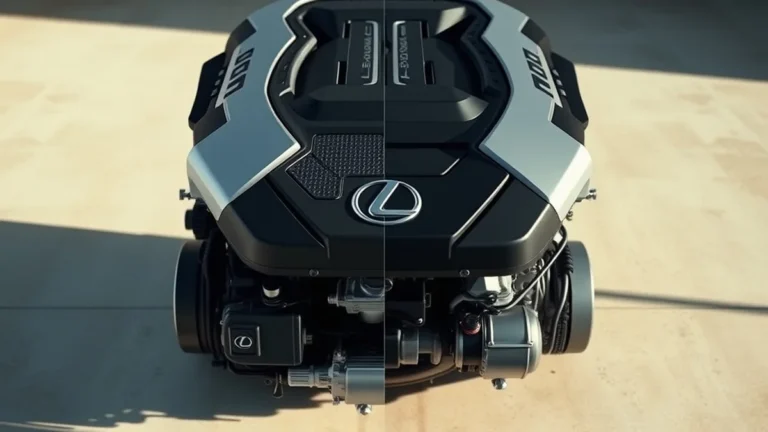
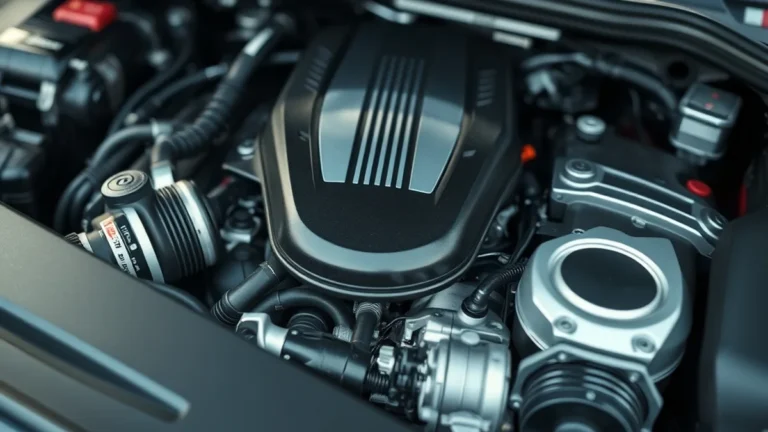
Direct injection engines are increasingly prevalent due to their fuel efficiency and power output. However, they are prone to carbon buildup on intake valves, leading to potential powertrain failures. In contrast, dual-port injection systems mitigate this issue by utilizing both direct and port injection, reducing repair frequency and positively impacting actuarial ratings for insurance policies.
Mechanical Wear Physics: Understanding Carbon Buildup
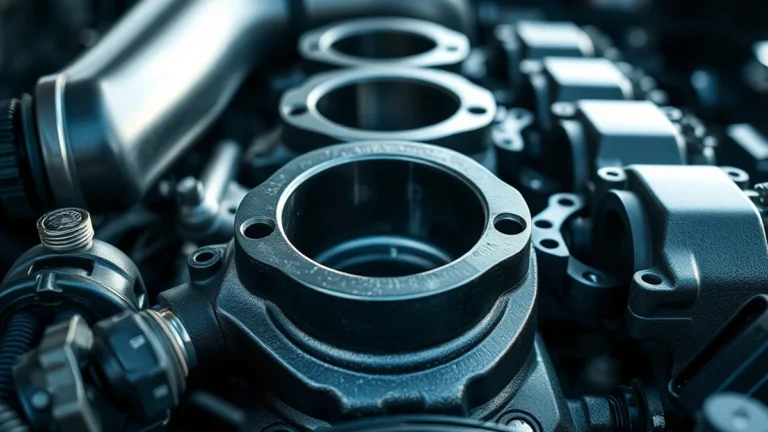
The mechanics of direct injection engines involve injecting fuel directly into the combustion chamber at high pressure, which enhances fuel atomization and combustion efficiency. However, this design lacks the washing effect of fuel that port injection systems provide, leading to carbon deposits accumulating on the intake valves. Research indicates that carbon buildup can begin to manifest after approximately 20,000 miles, with significant deposits often observed by 60,000 miles. In contrast, dual-port injection systems utilize both direct and port injection, allowing fuel to clean the intake valves during operation, substantially delaying the onset of carbon buildup.
Quantitatively, studies show that engines with direct injection can experience a 20-30% increase in maintenance costs due to carbon-related issues. For example, a vehicle requiring walnut blasting to clean the intake valves can incur costs ranging from $300 to $1,000, depending on labor rates and vehicle design. In contrast, dual-port systems can reduce these costs significantly, as they may not require such extensive cleaning until after 100,000 miles, if at all. This difference in maintenance needs directly correlates to the reliability and longevity of the engine, impacting both consumer satisfaction and insurance risk assessments.
100k-200k Mile Service Cost Drivers
When evaluating service costs for vehicles with direct injection versus dual-port injection systems, the frequency and type of repairs become critical factors. Vehicles with direct injection engines typically face higher service costs due to the need for more frequent intake cleaning and potential repairs related to fuel injector failures. A study by the Automotive Aftermarket Industry Association (AAIA) found that direct injection engines incur an average of $1,200 in additional maintenance costs between 100,000 and 200,000 miles compared to their dual-port counterparts.
In contrast, dual-port injection systems not only benefit from reduced carbon buildup but also often feature enhanced reliability in fuel delivery systems. For instance, the average cost of maintaining a dual-port engine in the same mileage range is approximately $800, translating to a savings of $400 per vehicle. This cost differential is critical for actuaries assessing risk and determining policy premiums, as lower maintenance costs correlate with fewer claims and reduced risk exposure for insurers.
Trim/Drivetrain or Policy Coverage Comparison Table
| Engine Type | Average Maintenance Cost (100k-200k miles) | Common Repairs | Insurance Risk Rating |
|---|---|---|---|
| Direct Injection | $1,200 | Intake Valve Cleaning, Injector Replacement | High |
| Dual-Port Injection | $800 | Minimal, Potential Injector Cleaning | Moderate |
This table highlights the stark contrast in maintenance costs and insurance risk ratings between direct injection and dual-port injection engines. Insurers may adjust premiums based on these factors, with vehicles exhibiting higher reliability and lower repair costs often receiving more favorable rates.
Hidden Exclusions & Salvage/Telematics Traps
Many insurance policies contain hidden exclusions related to engine performance and maintenance. For example, if a vehicle with a direct injection engine suffers a failure due to carbon buildup, insurers may deny claims if the owner did not adhere to recommended maintenance schedules. Additionally, telematics devices may flag vehicles for excessive idling or poor fuel economy, potentially impacting coverage. Understanding these nuances is critical for consumers and actuaries alike.
Salvage values can also be affected by engine type. Vehicles with direct injection engines may depreciate faster due to perceived reliability issues, further complicating claims and salvage assessments. For instance, a direct injection vehicle may see a 15% lower resale value compared to a dual-port engine vehicle after 100,000 miles, directly impacting the total cost of ownership and insurance calculations.
Related Vanguard Lab Briefings: Explore deeper benchmarks in Enterprise U.2 NVMe SSDs vs Consumer M.2 Drives: Write Endurance Tested and STRIPS Zero-Interest Treasury: Duration Sensitivity in Tax-Deferred Accounts.
Underwriting Quote & Pre-Inspection Checklist
When underwriting policies for vehicles with direct injection versus dual-port injection engines, insurers should consider several factors. A comprehensive pre-inspection checklist can help identify potential risks associated with carbon buildup and other maintenance issues. Key items to include are:
- Engine Type (Direct vs. Dual-Port)
- Current Mileage
- Maintenance History (including any intake cleaning)
- Fuel Quality and Type Used
- Telematics Data (if available)
By evaluating these factors, insurers can better assess risk and set premiums accordingly. For example, a direct injection vehicle with a documented maintenance history may be rated more favorably than one without, despite the inherent risks associated with the engine type. This nuanced approach to underwriting can significantly impact overall insurance costs for consumers.
Matching drivetrain durability data with deductible optimization lowers total annual driving expense.