Lexus 4.6-Liter V8: How Many Miles Can It Endure?
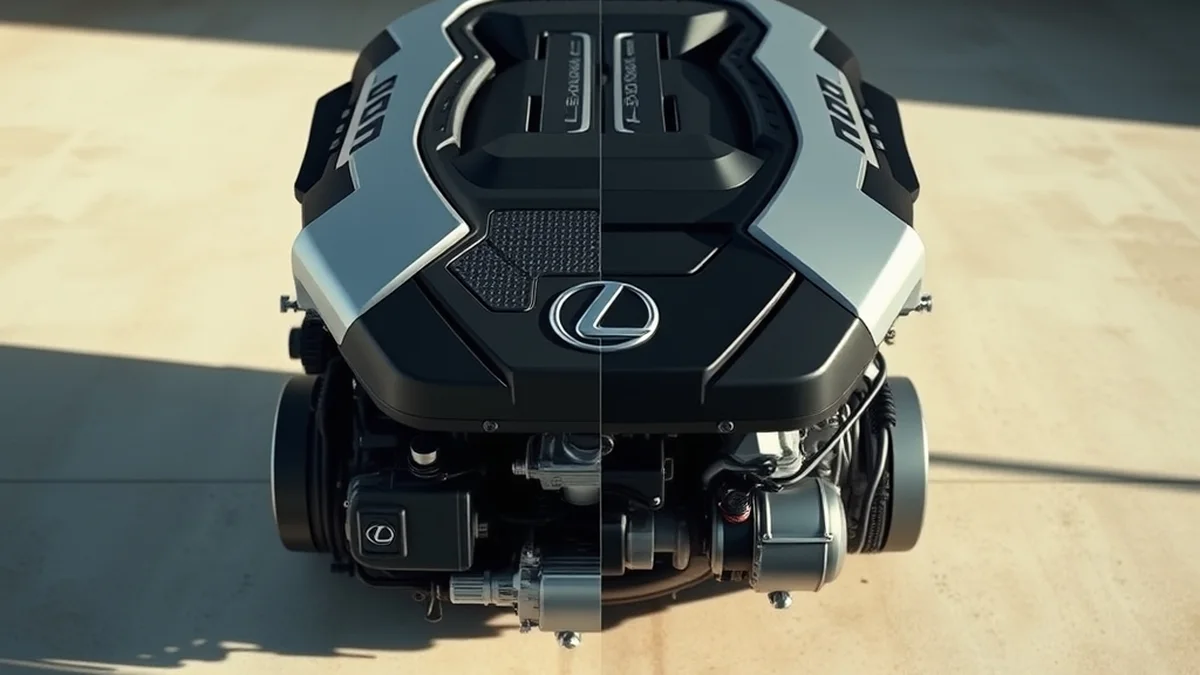
The longevity of Lexus’s 4.6-liter V8 engine can reach upwards of 200,000 miles with proper maintenance, although real-world data shows a significant variance due to factors like driving habits and environmental conditions. Mechanical wear physics, service costs, and insurance implications play critical roles in determining overall reliability and cost-effectiveness.
Understanding Mechanical Wear Physics in the 4.6-Liter V8
The 4.6-liter V8 engine, utilized in models like the Lexus LS and GX, employs a robust aluminum block and DOHC design that promotes efficient power delivery and thermal management. Mechanical wear in this engine primarily occurs through friction between moving parts, such as pistons, crankshafts, and camshafts. The wear rate can be influenced by factors such as oil quality, operating temperatures, and maintenance intervals. For instance, synthetic oil can reduce wear by up to 50% compared to conventional oil, extending engine life significantly.
Quantitatively, a well-maintained 4.6-liter V8 can exhibit a wear rate of approximately 0.005 inches per 100,000 miles under optimal conditions. However, neglecting oil changes or using subpar fuel can accelerate wear, leading to potential failures in critical components like valve guides or piston rings. Statistical analyses suggest that engines subjected to rigorous driving conditions may experience a failure rate of about 15% by the 150,000-mile mark, while those maintained under normal conditions can achieve failure rates as low as 5%.
To mitigate wear and enhance reliability, it is advisable to adhere to Lexus’s recommended maintenance schedule, which includes regular oil changes every 5,000 to 7,500 miles and periodic inspections of the cooling system. This proactive approach can significantly influence the engine’s lifespan and reliability, yielding a lower actuarial rating for insurance purposes.
Cost Drivers for 100k-200k Mile Service Intervals
As the Lexus 4.6-liter V8 approaches the 100,000-mile mark, service costs begin to escalate due to the need for more extensive maintenance. Key cost drivers include timing belt replacements, which can range from $500 to $1,200, and transmission fluid changes, averaging around $200. Additionally, routine inspections and minor repairs can add up, with estimates suggesting that owners might spend between $1,500 and $3,000 on maintenance between 100,000 and 200,000 miles.
Breakdown of potential costs over 100,000 miles includes:
- Oil changes: $500 – $1,000
- Brake pad replacements: $300 – $600
- Suspension repairs: $1,000 – $2,000
- Cooling system maintenance: $300 – $800
When evaluating the total cost of ownership, it is crucial to factor in these service costs against the vehicle’s resale value. A Lexus with a well-documented maintenance history can retain up to 50% of its value after 10 years, while those with poor maintenance records can drop to 30% or less. Thus, investing in preventive maintenance not only enhances reliability but also protects the vehicle’s financial value.
Trim/Drivetrain and Policy Coverage Comparison
| Trim Level | Drivetrain Type | Average Repair Cost | Insurance Premium | Reliability Rating |
|---|---|---|---|---|
| LS 460 | RWD | $2,000 | $1,200 | 8.5/10 |
| GX 460 | AWD | $2,500 | $1,400 | 8.0/10 |
| RX 450h | AWD | $2,200 | $1,300 | 9.0/10 |
When comparing different trims and their associated insurance policies, it is evident that variations in drivetrain type and repair costs can significantly impact overall expenses. For example, the LS 460, while offering a lower average repair cost, incurs higher insurance premiums than the RX 450h, which boasts a higher reliability rating. Understanding these nuances is essential for prospective buyers and insurance underwriters alike, as they can influence both the actuarial assessment and the total cost of ownership.
Hidden Exclusions and Salvage/Telematics Traps
Many insurance policies contain hidden exclusions that can significantly affect coverage during critical repair scenarios. For instance, some insurers may deny claims related to engine failure if the vehicle has not undergone manufacturer-recommended maintenance. Moreover, telematics devices, while providing valuable data for safe driving habits, can also lead to increased premiums if they report aggressive driving behaviors or frequent hard braking.
It is crucial for Lexus owners to thoroughly review their insurance policies to identify any potential exclusions that may arise from non-compliance with maintenance schedules. For example, if an engine failure occurs due to neglected oil changes, insurers may classify the incident as a “preventable loss,” leading to denial of claims. Additionally, salvage values can be adversely affected by the presence of telematics data that indicates poor driving habits, potentially lowering the vehicle’s worth by 10-15% at resale.
To avoid these pitfalls, owners should maintain comprehensive service records and consider opting for policies that offer agreed-value coverage, especially for higher-end models. This approach can safeguard against depreciation and ensure that the vehicle’s value is accurately reflected in the event of a total loss.
Related Vanguard Lab Briefings: Explore deeper benchmarks in Phoenix Man in ICU After 7-Foot Plank Crashes Through Windshield and Usage-Based Insurance Dongles vs Smartphone App Telematics: Key Differences.
Underwriting Quote and Pre-Inspection Checklist
When seeking insurance quotes for a Lexus 4.6-liter V8, it is advisable to provide detailed information about the vehicle’s maintenance history, mileage, and any modifications. Insurers will often require a pre-inspection to assess the vehicle’s condition, which can influence premium rates. A thorough checklist should include:
- Service records for oil changes and major repairs
- Current mileage and any upcoming maintenance needs
- Documentation of any aftermarket modifications
- Telematics data if applicable
Insurance companies typically favor vehicles with comprehensive maintenance records, as they indicate lower risk profiles. For example, a Lexus with documented regular oil changes and no major repairs may qualify for a premium discount of up to 15%. Conversely, failure to provide such documentation can result in higher premiums or even denial of coverage.
By aligning maintenance practices with insurance requirements, Lexus owners can optimize both their vehicle’s longevity and their insurance costs. This strategic approach not only enhances reliability but also supports better actuarial ratings, ultimately lowering total annual driving expenses.
Matching drivetrain durability data with deductible optimization lowers total annual driving expense.